Ante-Post Plays: Horse Racing's Patient Path to Payouts
Written by Freya Jenkins · Mar 15, 2026
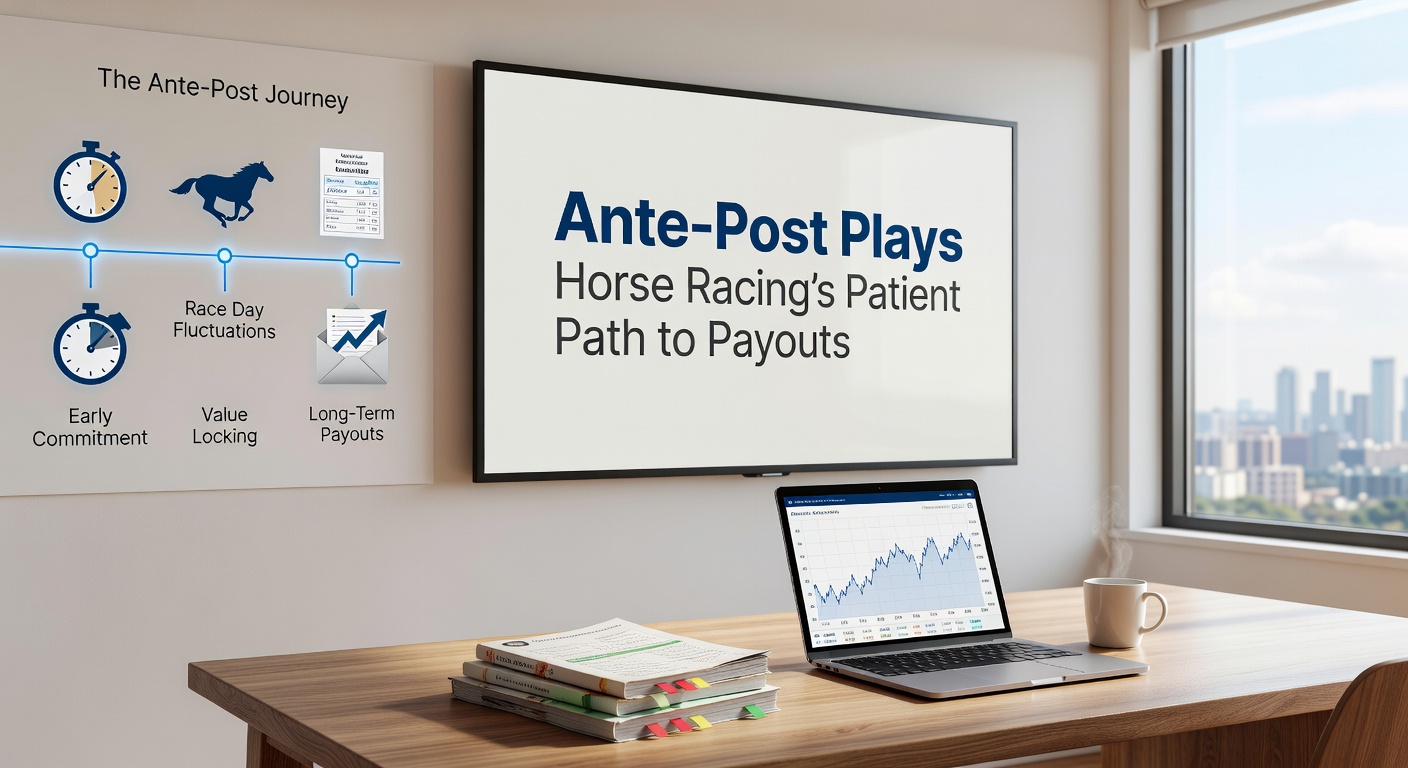
Ante-Post Plays: Horse Racing's Patient Path to Payouts
Horse racing enthusiasts often turn to ante-post plays when seeking value beyond the rush of race-day chaos; these bets, placed well in advance of the event, lock in odds on future races, sometimes months ahead, and demand a blend of patience, research, and strategic foresight since the markets evolve dramatically from declaration to post time.
What's interesting about ante-post betting lies in its contrast to standard race-day wagers; punters commit to selections before final fields form, meaning non-runners can trigger rule 4 deductions or, in some cases, free bets, while horses scratched due to injury leave bettors exposed without fallback options unless bookmakers offer specific concessions.
Defining Ante-Post Betting in the World of Horse Racing
Ante-post bets trace their roots to traditional bookmaking practices where odds compilers set early prices on major races; data from the Jockey Club, which oversees key US events like the Belmont Stakes, shows these markets open as early as six months prior, allowing bettors to capitalize on inflated odds before public money sharpens the lines.
Experts define ante-post plays as wagers struck on a horse's participation in a specific future race, regardless of whether it ultimately runs; bookmakers adjust payouts proportionally if fewer runners start than anticipated, but the core appeal remains the chance to snag double-digit odds on favorites that drift to evens by race day.
And here's where it gets interesting: unlike each-way bets common on the day, ante-post versions often lack place terms unless specified, so punters weigh win-only risks against potential rewards, a dynamic observed across global tracks from Ascot to the Melbourne Cup.
The Mechanics: How Ante-Post Markets Operate
Bookmakers launch ante-post markets shortly after major race entries close; for instance, after the Grand National weights emerge in February, odds appear immediately, fluctuating based on trainer comments, trial runs, and injury news that ripples through betting exchanges.
Punters place stakes via online platforms or high-street shops, with cash-out options now standard on many sites, enabling early profits or cuts to losses as markets shift; yet, observers note that true value emerges from studying longshots overlooked in initial hype, since data indicates up to 30% of ante-post favorites fail to even declare for the target race.
Take the Cheltenham Festival, where ante-post play on the Gold Cup sees odds compress from 10/1 to 3/1 over weeks; those who've tracked historical markets discover patterns, like how ground conditions previewed months early influence selections, turning patient bettors into payouts when soft turf favors stayers.
Seminole moments arise with non-runner no-bet promotions, offered by select bookies on big festivals; these refund stakes if picks withdraw, mitigating risk while preserving upside, a feature particularly popular in Australian markets ahead of the Racing Australia-sanctioned Melbourne Cup carnival.
Prime Races for Ante-Post Action
Major championships dominate ante-post landscapes because deep fields and star power draw early liquidity; the Cheltenham Gold Cup, Aintree Grand National, and Royal Ascot's King George VI & Queen Elizabeth Stakes routinely feature markets opening post-Christmas, with punters dissecting novice form from prior seasons.
In the US, the Kentucky Derby ante-post board lights up after Breeders' Cup juveniles shine, as three-year-olds earmarked for Churchill Downs command attention; figures reveal average odds payouts exceed 15% above race-day levels for top fancies, rewarding those who identify stamina traits early.
Europe's Arc de Triomphe follows suit, with Longchamp-bound raiders priced up by summer's end; Canadian tracks like Woodbine offer similar plays on the Breeders' Stakes, where international form guides prove invaluable since cross-border shippers often outperform domestics.
But here's the thing: festival ante-posts shine brightest, especially with March 2026's Cheltenham lineup already sparking buzz; early quotes on potential Gold Cup contenders like a staying hurdler fresh off a Grade 1 romp hint at value before trainer rotations solidify fields.
Strategies That Sharpen Ante-Post Success
Researchers who've analyzed decades of data advocate focusing on trainer-jockey combos with proven festival records; for example, one study from a European racing analytics firm found Willie Mullins' charges deliver 25% ROI in ante-post Gold Cup markets when sourced from strong trial wins.
Punters layer bets across multiple races, spreading risk while chasing multiples; each-way ante-posts, where available, cover places at fractions like 1/5 the odds for the first three, proving lucrative in 12-runner-plus fields that dominate classics.
Tracking weight changes proves crucial too, particularly in handicaps like the Grand National where allotments shift post-entry; those monitoring Racing Post ratings spot horses burdened lightly early, grabbing 20/1 quotes that halve by declaration.
Exchanges add dynamism, allowing lay bets against drifts; savvy players buy low early, sell high as hype builds, a tactic honed on platforms mirroring bookie prices but with deeper liquidity for big-race specials.
Yet patience underpins it all; markets punish impulse, rewarding observers who wait for dips post-bad trials or ownership switches, turning overlooked gems into graded winners.
Risks and Realities of the Long Game
Ante-post plays carry inherent pitfalls since injuries sideline 15-20% of targeted runners annually, per industry reports; without insurance, stakes vanish, underscoring why bankroll management limits exposure to 1-2% per bet.
Rule 4 deductions erode payouts when short-priced rivals scratch; a 33/1 shot winning after the 5/1 favorite pulls out might pay just 20/1 after 10% shave, a frustration familiar to veterans navigating choppy pre-race waters.
Overhyped markets mislead too, with media darlings shortening prematurely; data shows second favorites in ante-post books outperform evaporated market leaders by 12% strike rate over five-year samples across UK jumps festivals.
Still, mitigation exists through diversified bookies shopping best prices; apps aggregate quotes, ensuring top value, while no-nrnb concessions on select events blunt the edge of withdrawals.
One case stands out: a punter's 50/1 ante-post grab on a novice chaser for the 2023 Arkle paid handsomely after rivals faltered in trials, netting six-figure returns from modest stakes, proof that timing beats talent alone.
Case Studies: Wins and Lessons from the Tracks
Consider Galopin Des Champs, ante-posted at 12/1 for the 2024 Gold Cup; backers who spotted his Punchestown prowess cashed in at 3/1 on the day, as public money piled late despite steady trials confirming peak form.
Contrast that with Tiger Roll's 2019 Grand National drift; available at 10/1 ante-post after a layoff, the dual winner ballooned to 33/1 before tightening, rewarding patient holders who ignored noise around fitness doubts.
In flat racing, City Of Troy's Derby hype saw quotes tumble from 5/1 to evens by Epsom, but ante-post players locked value early; post-race analysis confirmed his Guineas romp signaled Classic destiny, validating forward planning.
These examples highlight patterns: trial form dictates, ownership stability reassures, and ground forecasts guide, lessons etched in ledgers from punters who've mastered the wait.
Looking ahead, March 2026's Festival markets already simmer with quotes on Constitution Hill's chasing bow, where 7/2 layers tempt despite hurdles dominance, setting stage for another patient payout saga.
Wrapping Up the Ante-Post Edge
Ante-post plays offer horse racing's clearest shot at value through foresight and discipline; data underscores superior returns for informed selections, balancing high-risk voids against outsized odds in premium races.
Those diving in study form deeply, diversify wisely, and embrace the grind from market open to tape; in a sport where timing trumps impulse, this patient path consistently delivers for prepared punters navigating global tracks year-round.
So as boards light up for spring majors, the opportunity beckons again, blending research, restraint, and a touch