Betting and Gaming Council Unveils Five-Point Plan to Tackle UK Black Market Gambling
Written by Freya Jenkins · Jun 12, 2026

Betting and Gaming Council Unveils Five-Point Plan to Tackle UK Black Market Gambling
The Betting and Gaming Council launched its five-point plan in June 2026, calling on government bodies, regulators, technology firms, and financial institutions to address the rise of illegal gambling operations across the United Kingdom. The organization, which represents around 90 percent of the regulated UK betting and gaming sector, presented the initiative as a coordinated response to operators that function outside licensing requirements and consumer protections. The plan focuses on five core areas that include curbing illegal advertising on social media platforms, implementing blocks on unauthorized websites and apps, restricting payment processing for unlicensed sites, raising penalties for violations, and applying sanctions to third-party enablers such as hosting providers and payment processors. Each element targets specific channels that currently allow black market operators to reach UK consumers while avoiding regulatory oversight.Details of the Proposed Measures
The first measure targets advertising practices where unlicensed operators promote services through social media channels that often bypass age verification and content rules. The second calls for technical blocks at the network level to prevent users from accessing illegal websites and mobile applications. The third proposes payment blocks that would prevent transactions between UK bank accounts and unlicensed gambling entities.
Fourth, the plan advocates for increased penalties that would apply to both operators and those who facilitate their activities. Fifth, it recommends sanctions directed at enablers including web hosting companies and financial service providers that support black market operations. These steps build on existing regulatory frameworks yet extend enforcement responsibilities across multiple industries.
Projected Scale and Associated Risks
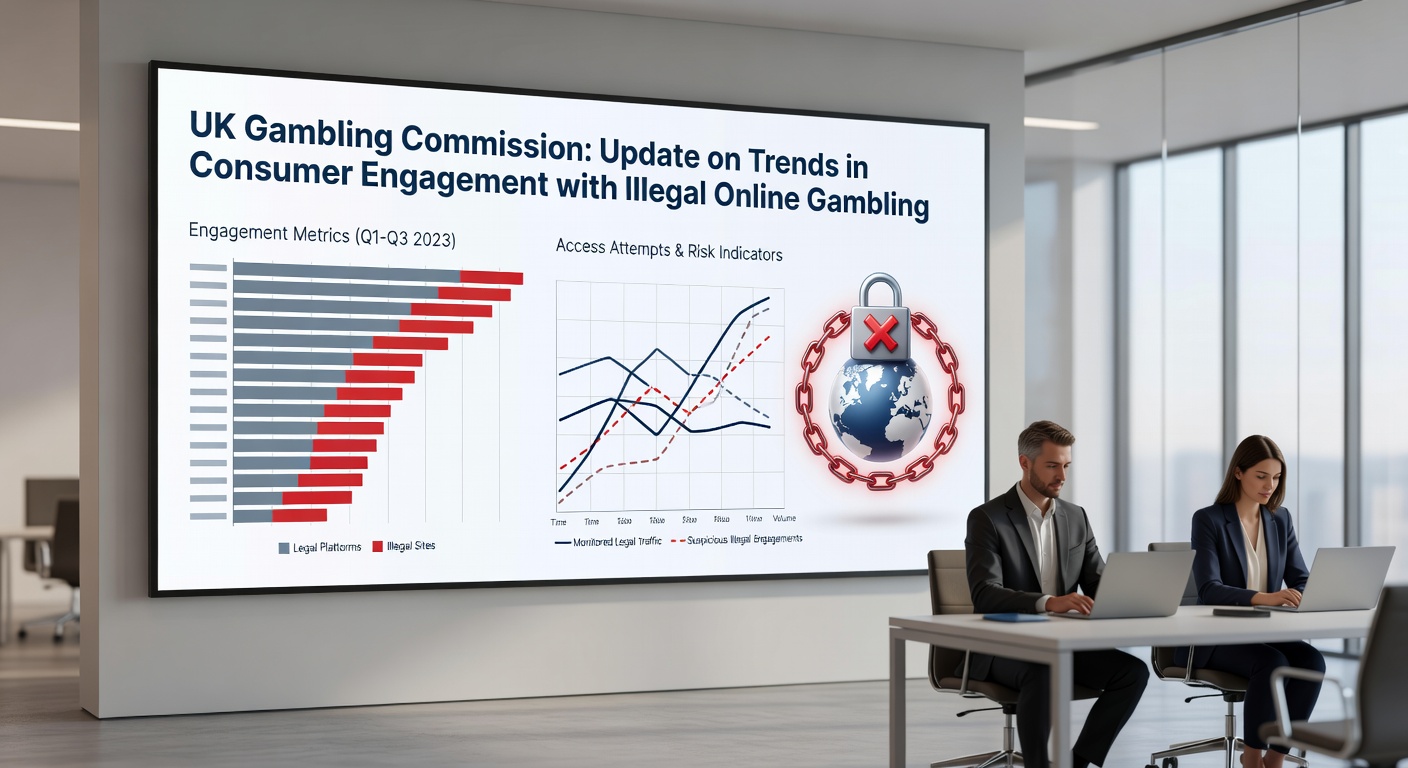
According to the council's data, black market stakes could exceed £33 billion by 2028 if current trends continue without intervention. This projection highlights exposure to fraud, financial crime, and consumer harm that occurs when users engage with unregulated platforms. Such activity also bypasses UK tax contributions and support mechanisms for sports and racing industries that licensed operators provide.
The council presented these figures during its June 2026 announcement, linking the growth directly to gaps in advertising controls, payment oversight, and enforcement coordination. Observers note that illegal operators often mimic licensed sites in appearance while operating without the same requirements for player protection or tax compliance.
Stakeholder Involvement and Implementation
The five-point plan assigns distinct roles to different parties. Government and regulators would lead on legislative updates and enforcement actions, while technology companies would handle content moderation and site blocking. Financial institutions would develop systems to identify and prevent payments to unlicensed entities. The council positioned the plan as a collaborative framework rather than a unilateral proposal.
Those who've studied similar initiatives in other jurisdictions point out that effective implementation often depends on consistent application across borders and industries. The UK approach outlined in the plan emphasizes shared responsibility among advertising platforms, app stores, banks, and hosting services to reduce the visibility and accessibility of illegal operators.
Current Context in June 2026
In June 2026 the announcement coincided with ongoing discussions about digital safety and financial regulation in the United Kingdom. The Betting and Gaming Council framed its proposal as an update to existing efforts, building on prior work that had already introduced some payment and advertising restrictions. The new plan expands those efforts by specifying sanctions and calling for broader participation from non-gambling sectors.
Figures released alongside the plan show continued expansion of black market activity despite previous interventions. The council's statement indicated that without additional measures, consumer funds directed toward unregulated sites would continue to grow, reducing both tax revenue and contributions to sports funding that licensed operators supply.
Conclusion
The five-point plan presented by the Betting and Gaming Council in June 2026 outlines specific actions aimed at reducing illegal gambling activity in the United Kingdom. It identifies advertising controls, technical blocks, payment restrictions, higher penalties, and sanctions on enablers as key components. The accompanying projection of stakes exceeding £33 billion by 2028 provides a quantitative basis for the urgency described in the announcement.
Implementation will require coordinated action across government, regulators, technology companies, and financial institutions. The plan remains available for review on the Betting and Gaming Council website, where further details on each measure appear.