BGC AGM 2026: Alarms Raised Over UK's Booming Illegal Gambling Market
Written by Zara Keller · Mar 30, 2026

BGC AGM 2026: Alarms Raised Over UK's Booming Illegal Gambling Market
Gathering Momentum at the BGC's Annual General Meeting
At the Betting and Gaming Council (BGC)'s Annual General Meeting held in London in early 2026, industry leaders and government officials came together to address a pressing issue; the rapid growth of the UK's illegal gambling market caught everyone's attention, with speakers like Gambling Minister Baroness Fiona Twycross, BGC CEO Grainne Hurst, and top Gambling Commission executives laying out stark figures that painted a troubling picture. Data presented there revealed that 1.5 million people wager around £10 billion each year on unlicensed sites, a scale that underscores the real risks and harms involved, according to the BGC's official report from the event.
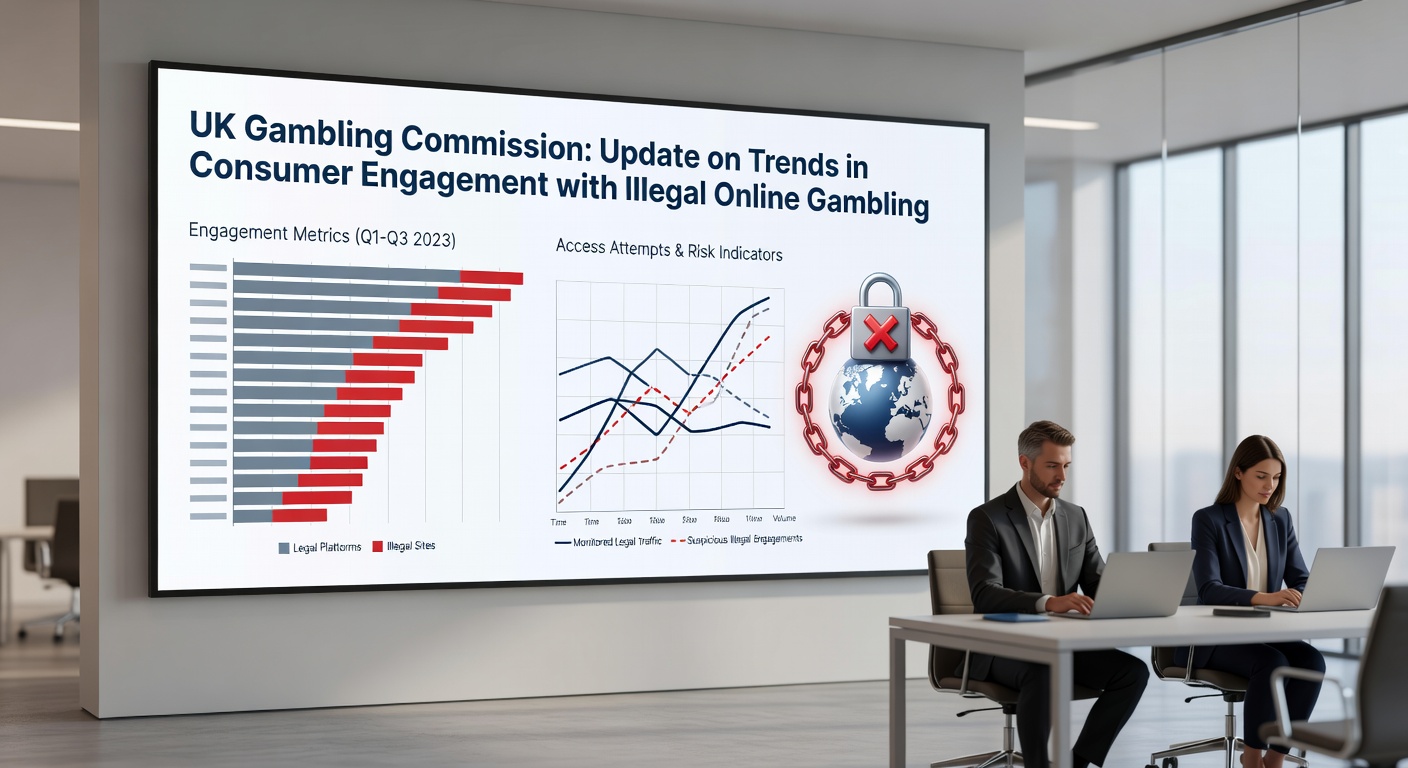
What's interesting is how this black market has ballooned; five years prior, it accounted for just 0.5% of gambling activity, but recent trends show it now claims 10-12% of the total, a shift that experts attribute to various pressures on the regulated sector. And while the meeting unfolded in the heart of London, attendees heard firsthand accounts of bettors drifting toward unregulated operators, where safeguards simply don't exist, leaving players exposed to fraud, addiction without support, and funds vanishing into thin air.
Grainne Hurst, stepping up as BGC CEO, didn't hold back in her warnings; she pointed to specific events like the Cheltenham Festival, where estimates suggest £60 million in illegal bets flew under the radar, highlighting how major racing occasions fuel this underground surge, as noted in industry analyses. But here's the thing: this isn't just about lost revenue for legitimate businesses; observers note that the lack of consumer protections in these shadowy corners amplifies harms, from money laundering risks to unaddressed problem gambling.
Factors Fueling the Black Market Surge
Recent policy changes have played a significant role in pushing activity offshore; the 40% Remote Gaming Duty, coupled with upcoming Financial Risk Assessments set for March 2026, creates a perfect storm, according to speakers at the AGM, where licensed operators face steeper costs that unlicensed rivals simply ignore. Take one scenario researchers have tracked: bettors seeking better odds or quicker payouts turn to sites operating beyond UK jurisdiction, sites that promise no taxes or restrictions but deliver none of the oversight provided by the Gambling Commission.
Figures from the event reveal the human element too; 1.5 million individuals, many of whom started on regulated platforms, now stake billions annually in this unregulated space, a trend that accelerated post-tax hikes and shows no signs of slowing without intervention. And as Hurst emphasized, events like Cheltenham expose the vulnerability, with illegal bets totaling £60 million during the festival alone, per iGaming Business reports echoed at the meeting.
Those who've studied the landscape point out that affordability checks and stake limits, while aimed at harm reduction, inadvertently steer some users toward black market alternatives where such measures don't apply; the result, data indicates, is a 20-fold increase in illicit market share over half a decade, turning what was a minor issue into a major threat. It's noteworthy that Gambling Commission executives joined the chorus, sharing enforcement data that shows operators struggling to compete against sites hosted in lax jurisdictions like Curacao or Malta's unregulated fringes.
Now, with March 2026 looming and Financial Risk Assessments on the horizon, experts anticipate further migration unless balanced approaches emerge; the BGC's call for collaboration underscores this, as unlicensed sites exploit every gap, luring users with aggressive promotions and zero compliance costs.
Key Voices and Stark Warnings
Baroness Fiona Twycross, in her role as Gambling Minister, took the stage to acknowledge these challenges head-on; she outlined how the government recognizes the escalation, while BGC's Grainne Hurst drove home the economic and social costs, noting that regulated firms contribute billions in taxes yet lose ground daily to the untaxed underground. Gambling Commission representatives added weight, presenting stats on enforcement actions that, although ramping up, can't keep pace with the digital agility of illegal operators.
Turns out, the meeting wasn't just talk; it spotlighted real-world examples, like the Cheltenham Festival's illicit £60 million haul, where punters bypassed UKGC-licensed books for offshore apps promising higher returns without the red tape. And in a nod to broader studies, Hurst referenced a shock new study from the BGC that quantified the drift, showing how tax burdens and compliance costs make regulated betting less appealing for casual users chasing value.
People who've attended past AGMs observe a pattern; discussions often circle regulation's unintended consequences, but this 2026 edition stood out for its urgency, with executives warning that without swift action, the 10-12% black market share could climb even higher by year's end. Semicolons aside, the rhetoric was clear: ignore this at the peril of consumer safety and industry viability.
Government Steps Up with Funding and Taskforce
The response from Westminster arrived promptly; the government announced £26 million in additional funding for the Gambling Commission, bolstering its ability to hunt down rogue operators, while a brand-new Illegal Gambling Taskforce unites tech firms, law enforcement, and regulators in a coordinated crackdown. This move, detailed at the AGM, aims to deploy advanced tools like AI-driven monitoring and cross-border cooperation, targeting the very sites siphoning £10 billion from UK punters.
Experts have observed similar initiatives in other sectors, but this taskforce packs extra punch because it involves private tech giants whose algorithms can trace illicit traffic in real time; paired with the funding boost, it equips the Commission to handle the 1.5 million users now active in the shadows. And as March 2026 approaches with its Financial Risk Assessments, this timing feels deliberate, signaling intent to offset any potential exodus triggered by new checks.
One case that illustrates the stakes involves high-profile events; during Cheltenham, illegal platforms processed bets that licensed sites couldn't match on pricing, a dynamic the taskforce now targets through enhanced payment blocking and site takedowns. Data from the BGC shows enforcement alone won't suffice, so this multi-stakeholder approach, blending government muscle with industry insight, marks a pivotal shift.
Those monitoring the space note that previous efforts curbed smaller threats, but the current scale demands this level of firepower; with £26 million flowing in, expect more raids, prosecutions, and public awareness drives aimed at steering the 1.5 million back to safer harbors.
Implications for Bettors and the Industry
For everyday punters, the warnings carry direct relevance; licensed sites offer verified odds, responsible gambling tools, and swift payouts, contrasts stark against unlicensed voids where disputes go unresolved and data breaches lurk. Studies presented at the AGM reveal that black market users face higher addiction rates, lacking the self-exclusion options standard in regulated spaces.
But here's where it gets interesting: as the taskforce ramps up, bettors might see more seamless transitions to legal alternatives, especially with BGC members innovating around tax pressures to retain custom. Observers point to past tax hikes that initially spiked illicit activity, only for enforcement waves to reclaim ground; this cycle, however, risks repeating unless education campaigns highlight the perils, from rigged games to fund seizures.
The reality is, with 10-12% of activity now offshore, the stakes involve not just £10 billion but public trust in gambling as a whole; Gambling Commission execs stressed at the meeting that consumer migration undermines harm prevention efforts baked into UK law.
Looking Ahead: March 2026 and Beyond
As Financial Risk Assessments roll out in March 2026, the AGM's discussions set the stage for close scrutiny; operators prepare for enhanced due diligence, while the taskforce eyes any uptick in illegal shifts. Figures suggest proactive measures could stabilize the market share, preserving the regulated ecosystem that funds NHS support for gambling harms.
Industry watchers anticipate quarterly updates from the BGC, tracking the £26 million's impact alongside taskforce wins; early signs point to collaborative tech solutions disrupting offshore servers, a boon for the 1.5 million at risk.
Conclusion
The BGC AGM 2026 crystallized a critical juncture for UK gambling; with leaders uniting around hard data on the £10 billion illegal market, and government pledging resources to fight back, the path forward hinges on execution. Speakers like Baroness Twycross and Grainne Hurst left no doubt about the harms at stake, while the taskforce promises tangible action amid March's regulatory changes. In the end, this event didn't just warn; it mobilized, setting sights on reclaiming ground from the shadows and safeguarding bettors across the board.