Cross-Platform Reward Integration in Digital Gaming Ecosystems: How Poker Mechanics Influence Betting App Design
Written by Freya Jenkins · Aug 25, 2026

Cross-Platform Reward Integration in Digital Gaming Ecosystems: How Poker Mechanics Influence Betting App Design
Cross-platform reward integration connects player progress and incentives across multiple gaming platforms and this approach draws heavily from established poker mechanics that have shaped digital betting applications over recent years. Poker systems originally developed layered loyalty structures including rakeback percentages, tournament tickets and tiered status levels that now appear in sportsbooks and casino apps where users accumulate points from various activities and redeem them in unified accounts. Data from industry reports indicates that these mechanics encourage longer engagement periods while operators track behavior across mobile, desktop and in-venue terminals to deliver consistent reward experiences.
Poker Foundations in Modern Betting Design
Poker platforms introduced reward models based on hand volume and strategic play rather than simple deposit matches and these elements transferred directly into betting apps through features such as streak bonuses for consecutive logins, multiplier rewards tied to specific bet types and leaderboard competitions that mirror poker tournament formats. Observers note that many current betting interfaces display real-time progress bars and achievement badges because poker software standardized those visual cues during the early 2010s expansion of online rooms. Research from university studies on player retention shows that systems rewarding skill expression alongside chance outcomes maintain higher activity rates compared with purely random reward distributions.
Technical Integration Across Devices
Developers achieve cross-platform consistency by using centralized player databases that sync reward balances and status levels in real time, allowing a user who earns points on a poker client to spend them on a separate sports betting module without manual transfers. Cloud-based APIs handle this synchronization while compliance layers ensure regional regulations govern point values and redemption options. As of August 2026, several major operators reported expanded use of unified wallets that treat poker chips, sports wagers and casino spins as interchangeable units within the same ecosystem. This architecture reduces friction and lets designers apply poker-derived progression systems such as level-ups and prestige ranks to every vertical under one account.
Influence on User Interface and Progression Systems
Betting applications frequently adopt poker-style visual hierarchies where reward meters fill according to activity volume and unlock higher tiers that grant cashback percentages or exclusive event access. Those who've studied interface patterns find that color-coded status indicators and animated chip stacks, first popularized in poker clients, now guide users through betting menus and encourage exploration of additional game types. External data from the American Gaming Association highlights how integrated loyalty programs correlate with increased cross-product play when operators link poker mechanics to betting rewards.
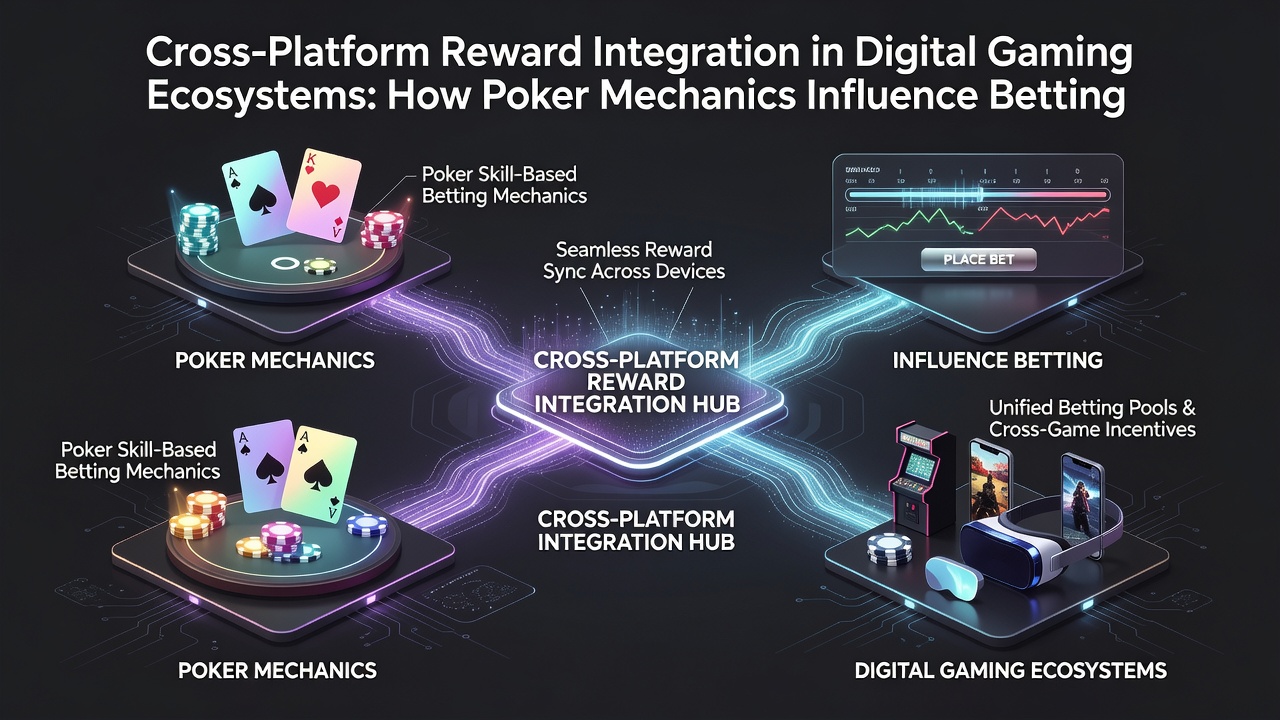
Case examples include apps that convert poker tournament finishes into betting credits or allow accumulated rake to offset sports wager margins, creating seamless value loops that keep players within the same operator family. Industry organizations such as the Canadian Gaming Association have documented similar patterns in regulated markets where unified reward engines support both skill-based and chance-based offerings.
Regulatory and Data Considerations
Regulators in multiple jurisdictions require transparent tracking of reward issuance and redemption to prevent money laundering or unfair advantage and this oversight has pushed operators toward auditable ledger systems originally refined in poker environments. Academic papers examining digital gambling ecosystems note that cross-platform data aggregation enables more precise risk modeling while still respecting player privacy frameworks. Figures from research institutions reveal steady growth in multi-product loyalty schemes that blend poker elements with betting features, particularly in markets outside the United Kingdom where alternative oversight bodies set distinct standards.
Future Trajectories and Implementation Patterns
Continued refinement of reward integration appears likely as operators test blockchain-based ledgers for verifiable point transfers and machine learning models that predict optimal reward timing based on poker-derived behavioral signals. Those monitoring ecosystem developments observe gradual rollout of shared progression systems across additional verticals including live dealer tables and virtual sports, maintaining the core logic that poker mechanics established for sustained engagement. External reports from the Australian Gambling Research Centre provide comparative data showing how these integrated models perform across different regulatory climates and cultural contexts.
Conclusion
Cross-platform reward integration continues to evolve through direct application of poker mechanics that prioritize consistent progression, visible achievements and flexible redemption options across betting applications. The technical backbone of centralized accounts and synchronized interfaces allows operators to deliver unified experiences while regulatory frameworks shape implementation details. Data collected through these systems informs further refinements that keep reward structures aligned with player activity patterns across devices and game types.