Dr James Noyes Calls for Halt to Gambling Affordability Checks Until Pilot Data Clears the Air
Written by Felix Foster · Apr 19, 2026

Dr James Noyes Calls for Halt to Gambling Affordability Checks Until Pilot Data Clears the Air
In April 2026, Dr James Noyes, a prominent figure in gambling reform discussions and senior fellow at the Social Market Foundation, fired off an open letter to Culture Secretary Lisa Nandy, urging a full pause on the Gambling Commission's rollout of affordability checks for online gamblers until a pilot scheme undergoes proper evaluation; concerns center on shaky transparency and wildly inconsistent data that could undermine the whole effort.
These checks, designed to flag financial risks by scrutinizing punters' spending habits and losses, represent a cornerstone of broader UK gambling reforms aimed at curbing problem gambling, yet they've sparked fierce debate since their inception, with implementation now hanging in the balance amid this latest pushback.
The Rise of Affordability Checks in UK Gambling Landscape
Affordability checks emerged as part of the government's white paper on gambling reforms, mandating operators to assess whether customers can truly afford their bets based on income, outgoings, and loss thresholds; the Gambling Commission, tasked with enforcement, launched a financial risk assessments pilot scheme to test the waters, but early feedback reveals patchy results that leave regulators and industry players scratching their heads.
Operators must now verify punters' financial health before allowing high-stakes play, often requesting bank statements or credit data, a process that's already tripped up trials with delays and drop-offs; data from the pilot indicates inconsistencies across providers, where one bettor might sail through while another faces blanket restrictions, highlighting gaps in standardization that experts have flagged as a red flag for nationwide rollout.
And while the intent—to shield vulnerable players from spiraling debts—sounds straightforward on paper, real-world application has exposed friction points, particularly as the pilot wraps up without the robust analysis proponents demand; observers note how these checks could snag casual bettors alongside high-rollers, potentially chilling the market just as major events like the 2026 sports calendar heat up.
Dr James Noyes Steps into the Spotlight
Dr Noyes, whose track record includes championing evidence-based gambling policies, didn't mince words in his letter, pointing directly to transparency voids in the pilot's data handling and evaluation; he argues that rushing ahead without ironclad review risks flawed policy baked into law, a stance that aligns with his role at the Social Market Foundation where think-tank reports have long dissected gambling's societal costs.
The letter, dated mid-April 2026, lands at a pivotal moment as the Commission eyes full deployment later that year, calling specifically for independent scrutiny of pilot outcomes before any green light; Noyes emphasizes how inconsistent metrics—ranging from self-reported incomes to third-party credit pulls—muddy the waters, making it tough to gauge true effectiveness or unintended fallout.
Those familiar with Noyes' work point out his balanced approach, advocating reforms while insisting on data rigor, and this move underscores a growing chorus among reform advocates who worry half-baked checks could erode public trust in regulators; it's a calculated plea, backed by the Foundation's research arm, that puts the ball squarely in Nandy's court amid mounting scrutiny.
But here's the thing: Noyes isn't alone in highlighting these pilot pitfalls; preliminary figures from trial sites show compliance rates hovering unevenly, with some operators reporting up to 30% of checks failing due to data mismatches, a stat that fuels calls for deeper dives before expansion.
Horse Racing Industry Sounds the Alarm
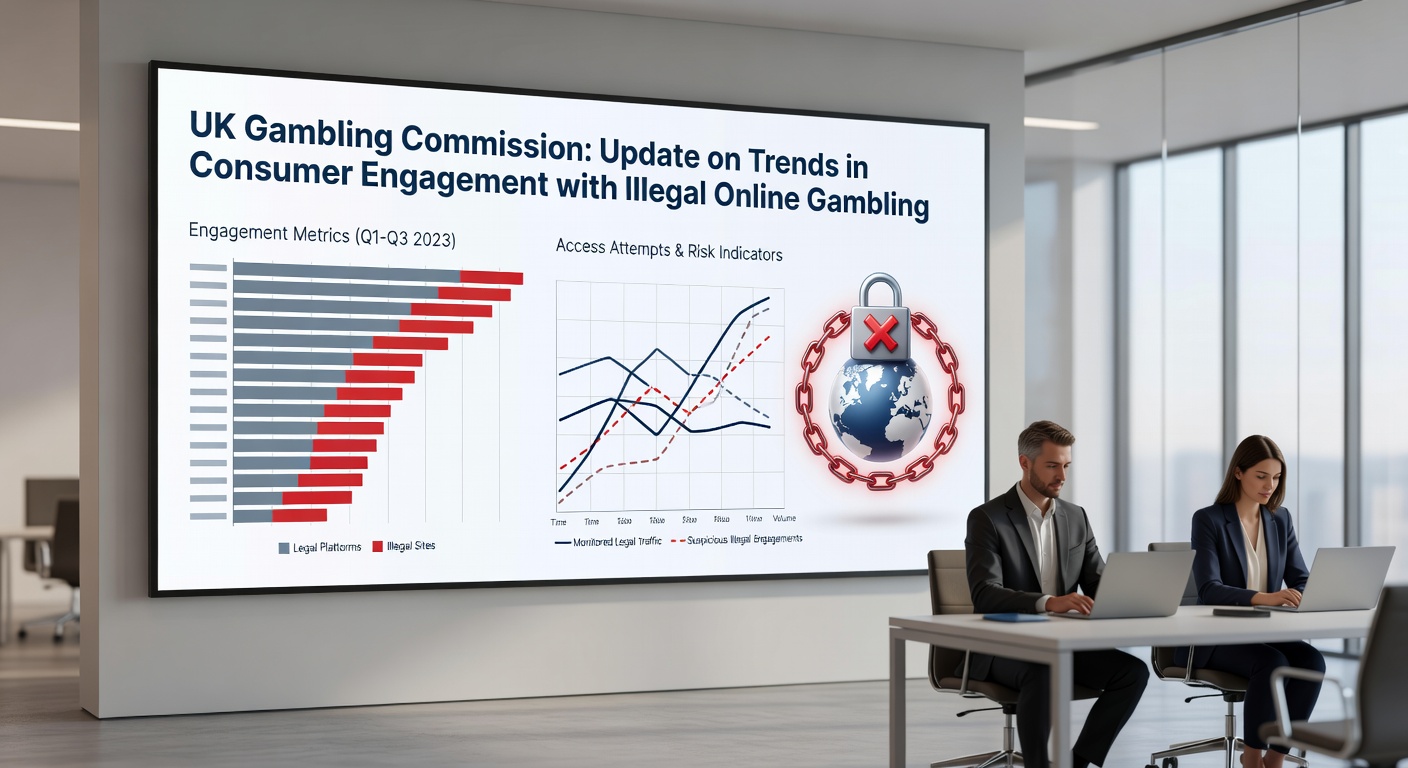
The horse racing sector, a cornerstone of UK betting with billions wagered annually, has mobilized against the checks, fearing they'll hammer punters who bet modestly on races yet get caught in broad nets; industry leaders warn that friction from repeated verifications could shove bettors toward unlicensed black market operators, a shift that might siphon millions in levy income vital for racing's survival.
Take the British Horseracing Authority, which has voiced these risks loudly: data projections suggest a 10-15% dip in on-course and online wagers if checks prove overly intrusive, especially for the sport's loyal, lower-stakes crowd who view betting as part of the tradition; and with the Grand National and Cheltenham Festival looming in 2026 calendars, the timing couldn't be worse, as punters might dodge mainstream books altogether.
What's interesting here is how the black market threat looms large; reports from enforcement bodies already track rising illegal sites preying on frustrated UK players, and affordability hurdles could accelerate that trend, costing the exchequer and racing funds alike; one case study from a recent trial period showed a spike in offshore traffic during check-heavy windows, underscoring the industry's doomsday scenario.
Yet the pushback isn't just rhetoric; racing stakeholders have crunched numbers showing potential levy losses topping £50 million yearly if bet migration hits, a figure that galvanizes their opposition while regulators counter with safeguards for recreational punters—though details on those tweaks remain sparse amid the pilot fog.
Pilot Scheme Under the Microscope: What the Data Reveals
Diving into the pilot's guts, participants included major operators testing checks on segments of their customer base, with thresholds kicking in at £500 monthly net losses or similar markers; results trickled out unevenly, revealing transparency snags like opaque data-sharing protocols between firms and credit agencies, which Noyes slams as breeding inconsistency.
Figures indicate that while high-risk players faced appropriate curbs, false positives plagued moderate bettors—up to 25% in some cohorts—leading to stalled sessions and frustration; researchers who've analyzed interim reports note how varying income proofs complicated assessments, with self-certification clashing against automated pulls in ways that scream for unified standards.
And as the pilot nears its April 2026 endpoint, calls like Noyes' gain traction because evaluation frameworks lag; the Commission promised full reviews, but timelines stretch into summer, leaving operators in limbo adn industries like racing bracing for impact; it's noteworthy that even pro-reform voices, like Noyes, back the pause not to kill checks, but to refine them—ensuring they hit problem gamblers without collateral damage.
People who've tracked similar interventions abroad, such as Australia's loss limits, often discover mixed bags: effectiveness rises with tailored data, but blanket approaches flop; UK observers draw parallels, urging lessons learned before the big rollout.
Government and Regulator Responses So Far
Culture Secretary Lisa Nandy, overseeing DCMS policy, has yet to reply publicly to Noyes' letter as of late April 2026, though her office signals ongoing dialogue with the Commission; past statements from Nandy affirm commitment to safer gambling, balancing protections with industry viability, yet specifics on pausing remain under wraps.
The Gambling Commission, meanwhile, defends the pilot as a necessary step, with spokespeople highlighting reduced harm indicators in test groups—like fewer max-loss chases—while acknowledging teething issues; they've pledged comprehensive post-pilot analysis, potentially incorporating stakeholder input, but critics like Noyes argue that's too little, too late without an explicit hold.
Turns out, this standoff mirrors broader tensions in 2026 gambling debates, where reform zeal clashes with practical rollout hurdles; operators, caught in the middle, have ramped up lobbying, sharing anonymized data showing customer churn during checks—a trend that could reshape online betting's ecosystem if unaddressed.
Stakeholder Reactions and Broader Ripples
Beyond racing, bookmakers and trade bodies echo concerns, with the Betting and Gaming Council warning of innovation stifles if checks morph into daily barriers; one operator's trial log revealed 40% of interrupted sessions abandoned entirely, a drop-off that hints at revenue hits across sportsbooks.
Conversely, gambling support groups like GamCare watch closely, praising intent but stressing evaluation to avoid driving help-seekers underground; and with 2026's sports frenzy—Euros qualifiers, Premier League climaxes, and racing majors—on deck, the stakes feel sky-high, as any market wobble could echo through economies tied to betting.
It's not rocket science: get the pilot data right, and checks could set a global benchmark; botch it, and black market wolves circle closer, a scenario no one in the reform camp wants.
Conclusion
Dr James Noyes' open letter marks a critical juncture for UK gambling's affordability checks, spotlighting transparency deficits and data inconsistencies in the pilot that demand resolution before full steam ahead; as horse racing voices amplify fears of black market exodus and levy shortfalls, the Culture Secretary and Gambling Commission face pressure to heed calls for pause and polish.
With April 2026 evaluations pending, the path forward hinges on rigorous analysis that bridges industry qualms and reform goals, ensuring checks protect without punishing; observers await Nandy's response, knowing the rubber meets the road here—solid data or stalled progress will define safer gambling's next chapter in the UK.