Gambling Commission Delays Financial Risk Assessments for UK Punters
Written by Xander Schmitz · May 31, 2026

Gambling Commission Delays Financial Risk Assessments for UK Punters
The UK Gambling Commission has postponed its decision on proposed financial risk assessments, also known as affordability checks, after determining that additional evidence review remains necessary. This move comes in May 2026 amid growing opposition from bookmakers, racing organizations, and lawmakers who have raised questions about the practical impact of such measures. The checks would use financial and behavioral data to flag at-risk customers, yet concerns persist that implementation could push some punters toward unregulated black market operators. Observers note that the regulator's board plans to continue its evidence evaluation without a fixed timeline for resolution. An implementation group may form later to develop guidance if the assessments advance, though no commitments exist at this stage.Details of the Proposed Affordability Checks
The financial risk assessments would require operators to monitor customer spending patterns against income indicators and behavioral signals, such as rapid deposit increases or session lengths that suggest potential harm. Data sources could include credit checks and transaction histories, with thresholds triggering interventions like deposit limits or account reviews.
Regulators developed these proposals to strengthen player protection frameworks, while the delay reflects the need to examine pilot data on financial risk assessments before any rollout. Those who've studied similar systems in other jurisdictions point out that effective thresholds require careful calibration to avoid false positives that disrupt responsible gamblers.
Industry and Stakeholder Opposition
Bookmakers and racing bodies have submitted formal responses highlighting operational challenges, including data privacy issues and the administrative burden of real-time monitoring. Lawmakers have echoed these points in parliamentary discussions, emphasizing that abrupt changes risk shifting activity away from licensed platforms.
Groups representing the betting sector argue that voluntary tools already exist for customers who want spending controls, and they stress the importance of maintaining a competitive licensed market. The opposition has intensified in recent months as details of the checks circulated among industry participants.
Concerns Over Black Market Migration
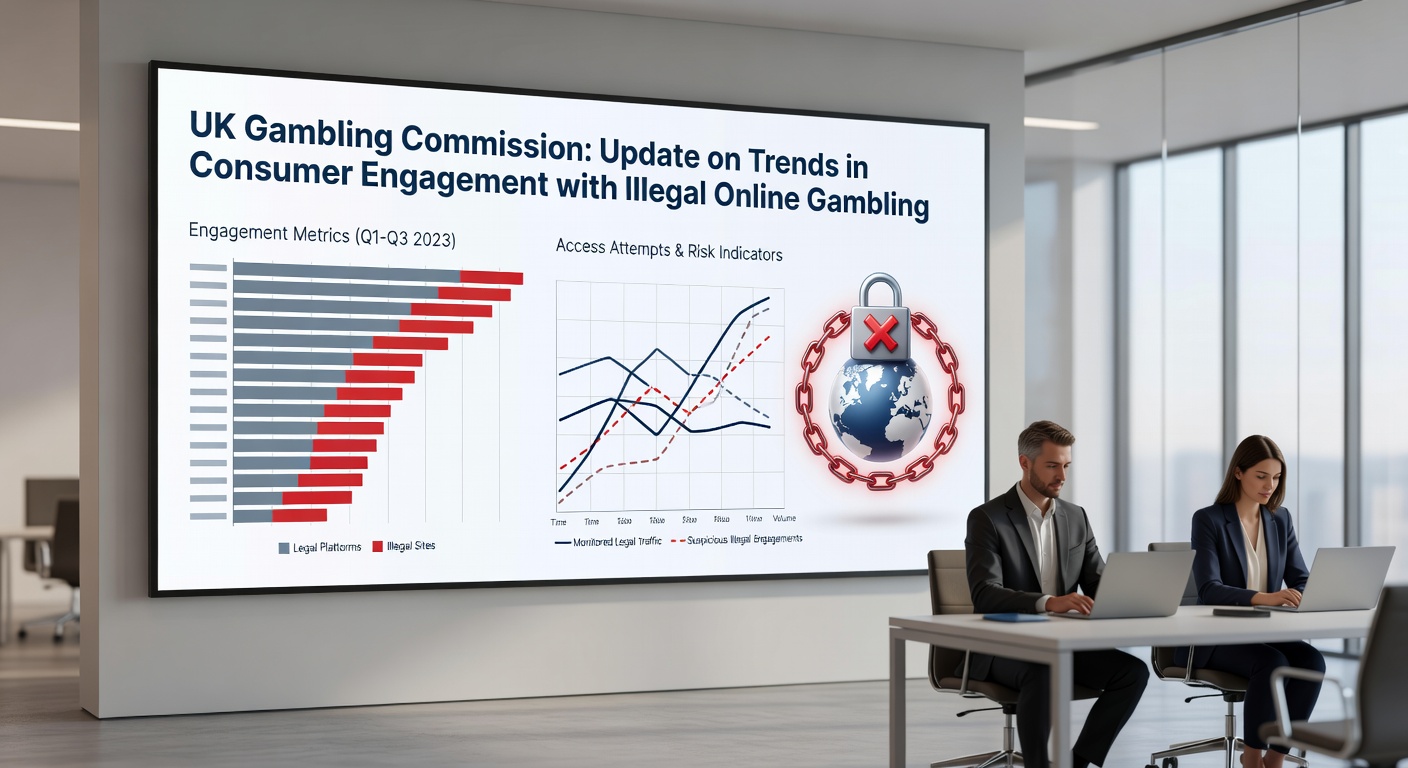
One central worry involves the potential for customers to migrate to illegal operators if affordability checks feel overly restrictive. Black market sites operate without licensing requirements or consumer safeguards, which creates enforcement difficulties for authorities.
Reports indicate that previous regulatory tightening in related areas has coincided with growth in unlicensed activity, though exact figures vary by source. The Gambling Commission has acknowledged this dynamic while continuing to review evidence that balances protection goals against market integrity considerations.
Next Steps for the Regulator
The board will maintain its review process, incorporating additional data submissions from stakeholders. Formation of an implementation group remains a possibility for any future guidance documents, allowing phased development if assessments proceed.
Those monitoring the situation note that no implementation date has been set, and further consultation rounds could occur before final policy decisions. The approach reflects standard regulatory practice when complex evidence requires extended analysis.
Conclusion
The postponement keeps the status of financial risk assessments in flux while the Gambling Commission gathers more information. Stakeholders across the sector will continue providing input as the review progresses, with the outcome dependent on how the evidence addresses both protection and market concerns. This single development in May 2026 underscores the ongoing balance between regulatory oversight and industry operations in the UK betting landscape.