H2 Gambling Capital Projects Near-Doubling of Illegal UK Gambling Stakes by 2028
Written by Freya Jenkins · Jun 2, 2026

H2 Gambling Capital Projects Near-Doubling of Illegal UK Gambling Stakes by 2028
The independent analysis from H2 Gambling Capital has outlined a substantial shift in online betting activity toward unregulated operators, with total stakes expected to climb from £17 billion in 2025 to more than £33 billion by 2028. This trajectory points to unregulated sites capturing 19.2 percent of all online betting and gaming stakes, a development the Betting and Gaming Council has drawn attention to while regulatory proposals such as financial risk assessments remain under discussion.
Key Figures from the Forecast
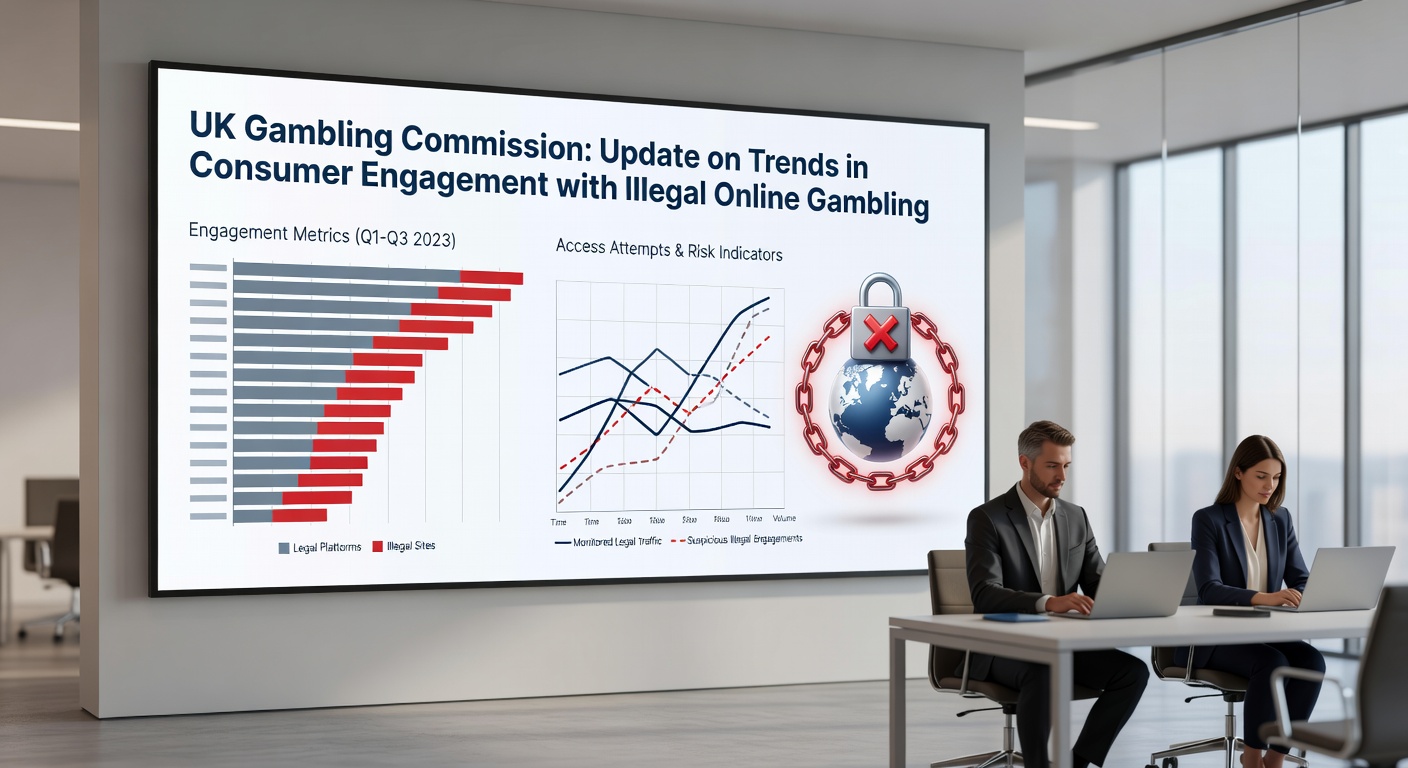
Data from the analysis indicates that illegal operators, which operate without UK licensing requirements, could see their share of the market expand rapidly over the three-year period. The projected increase represents a near doubling of black-market stakes, while the overall proportion of activity moving offshore would approach one in five pounds wagered across online platforms. These figures emerge at a time when licensed operators continue to face evolving compliance standards, and the Betting and Gaming Council has referenced the numbers to illustrate potential migration patterns.
Stakes placed with unlicensed sites generate no tax revenue for the Treasury and provide none of the player protections mandated under the UK regulatory framework. The analysis isolates this segment from the broader market, showing how current trends, if sustained, would concentrate nearly a fifth of total online volume outside licensed channels by the end of 2028.
Regulatory Context adn Industry Response
The Betting and Gaming Council has highlighted the H2 Gambling Capital findings in relation to proposed measures, including affordability checks and financial risk assessments that some operators argue could accelerate movement toward unregulated alternatives. Licensed firms already operate under strict rules on advertising, customer verification, and harm prevention, yet the forecast suggests that additional layers of scrutiny might redirect activity to offshore platforms lacking equivalent oversight.
According to the council's presentation of the data, the black-market growth would occur alongside continued expansion in the overall online gambling sector. The analysis does not attribute causation solely to any single policy, yet it supplies quantitative context for ongoing debates about how new requirements might interact with consumer behavior and market dynamics.
Implications for Taxation and Consumer Protections
Under current licensing, operators contribute to tax receipts and maintain systems for self-exclusion, deposit limits, and interaction with support services. The projected rise in black-market stakes would correspondingly reduce the taxable base while removing those safeguards for an increasing share of participants. The H2 Gambling Capital model tracks this displacement across betting and gaming products, focusing on stakes rather than gross gaming revenue, thereby capturing the full volume of wagers moving outside regulated environments.
Observers note that the 19.2 percent figure by 2028 would mark a notable departure from historical patterns, where the majority of online activity has remained within the licensed perimeter. The analysis supplies a baseline scenario without assuming major policy changes, allowing stakeholders to assess how incremental regulatory adjustments might influence the distribution between legal and illegal channels.
Broader Market Dynamics
The forecast covers the period through 2028 and incorporates assumptions about overall market growth, consumer preferences, and the availability of offshore alternatives. It does not forecast enforcement actions or changes in consumer awareness campaigns, yet it provides a quantitative reference point for discussions about the balance between regulation and market access. The Betting and Gaming Council has used these projections to underscore the scale of activity that could operate beyond existing tax and protection frameworks if current trajectories continue.
Stake figures in the billions reflect the high volume of transactions typical in online betting and gaming, where individual wagers range from small recurring bets to larger single-event stakes. The analysis aggregates these across desktop, mobile, and app-based platforms, presenting a consolidated view of how the black-market segment could expand relative to the licensed market.
Conclusion
The H2 Gambling Capital analysis supplies a clear numerical projection for illegal UK gambling stakes through 2028, with the Betting and Gaming Council positioning the findings within ongoing regulatory conversations. The data shows stakes rising from £17 billion to more than £33 billion and reaching 19.2 percent of total online activity, highlighting the potential scale of unregulated participation. These statistics continue to inform discussions around policy design and market oversight as the sector moves through 2026 and beyond.