Nationwide Data Signals 9% Surge in UK Gambling Spend as 2026 Sports Calendar Looms
Written by Zara Keller · Mar 13, 2026
Nationwide Data Signals 9% Surge in UK Gambling Spend as 2026 Sports Calendar Looms
January 2026 Marks Sharp Uptick in Betting Activity
Nationwide Building Society's latest figures reveal a notable escalation in gambling-related payments among its UK customers, with the total value of such transactions climbing 9% year-on-year in January 2026, while the number of transactions rose by 7% over the same period; this uptick coincides with early buzz around a packed sports schedule, and data shows the top 10% of gamblers averaging £745 in monthly spend, a figure that underscores concentrated activity at the higher end.
Observers note how these trends emerge just as major events cast long shadows, drawing in bettors eager for action; Nationwide's analysis, drawn from real-time payment data, highlights not just volume but velocity, since transactions spiked amid preparations for tournaments that promise high stakes and widespread appeal.
What's interesting is the timing, as reports surfaced in early March 2026, prompting discussions on consumer habits right when the year's big draws start solidifying; figures from Nationwide emphasize patterns where one in ten customers drives significant portions of the overall spend, and that's where the rubber meets the road for understanding broader impacts.
Censuswide Survey Uncovers Bettors' Intentions for the Year
A Censuswide survey polling 2,000 UK bettors lays bare intentions for 2026, revealing that 68% plan to ramp up their wagering; this sentiment ties directly to an action-packed calendar, including the FIFA Men’s World Cup, the UEFA Champions League final, Royal Ascot, and key clashes in international rugby and cricket, events known for pulling in crowds adn casual punters alike.
Take the World Cup, hosted across North America with matches kicking off in June; it historically boosts engagement, and data here suggests bettors anticipate similar fervor, since 68% signaling increases isn't just noise but a clear directional shift backed by respondent feedback.
And yet, the survey captures nuance, showing how enthusiasm for Royal Ascot's pageantry or rugby's intensity fuels plans, while cricket's international series add steady volume; researchers who compiled these insights point to a confluence of factors, where packed schedules amplify participation, especially among those who've followed past cycles.
Figures indicate this 68% figure holds across demographics, although specifics on subgroups remain under wraps, leaving experts to parse how events like the Champions League final in late May could serve as early catalysts; it's noteworthy that such forward-looking data aligns seamlessly with Nationwide's transaction logs, painting a picture of anticipation turning into action.

GamCare Reports Steep Rise in Support Referrals
Parallel to the spending surge, GamCare data flags a 48-50% jump in treatment referrals during January 2026 compared to the year prior, a development that tracks closely with heightened activity; this increase, reported amid March 2026 analyses, signals growing recognition of gambling's toll, since helpline contacts and formal referrals both swelled in tandem with betting volumes.
Those tracking harm metrics observe how such spikes often precede major events, and GamCare's numbers bear that out, with the 48-50% range reflecting not just volume but urgency in cases presented; experts who've studied referral patterns note that January's cold snap in activity often gives way to warmer months' intensity, yet this year's early surge bucks typical lulls.
But here's the thing: the overlap with Nationwide's 9% value rise and 7% transaction growth creates a dual narrative, where participation climbs alongside calls for help; GamCare's uptick, detailed in sources like Gambling News, underscores how support infrastructure strains under demand, especially as 2026's events approach.
People who've engaged with these services often describe early warning signs aligning with the top 10%'s £745 average, since high spenders represent focal points for intervention efforts; data suggests referrals capture a mix of self-referrals and prompted contacts, building a safety net just as the sports frenzy builds.
Dissecting the Drivers: A Look at 2026's Sports Lineup
The FIFA Men’s World Cup stands as the colossus here, with 48 teams vying across the US, Canada, and Mexico from June 11 to July 19, offering markets from outright winners to in-play thrills that draw billions in global wagers; paired with the UEFA Champions League final on May 30 in Budapest's Puskás Aréna, it forms a springboard for sustained interest.
Royal Ascot, unfolding June 16-20 at Berkshire's historic track, brings horse racing's glamour with five straight days of elite competition, while international rugby—think Six Nations echoes and mid-year tours—adn cricket's Ashes buildup or World Cup qualifiers layer on variety; these fixtures, clustered mid-year, explain much of the 68% uptick in planned wagering, since bettors historically pile in for familiarity and spectacle.
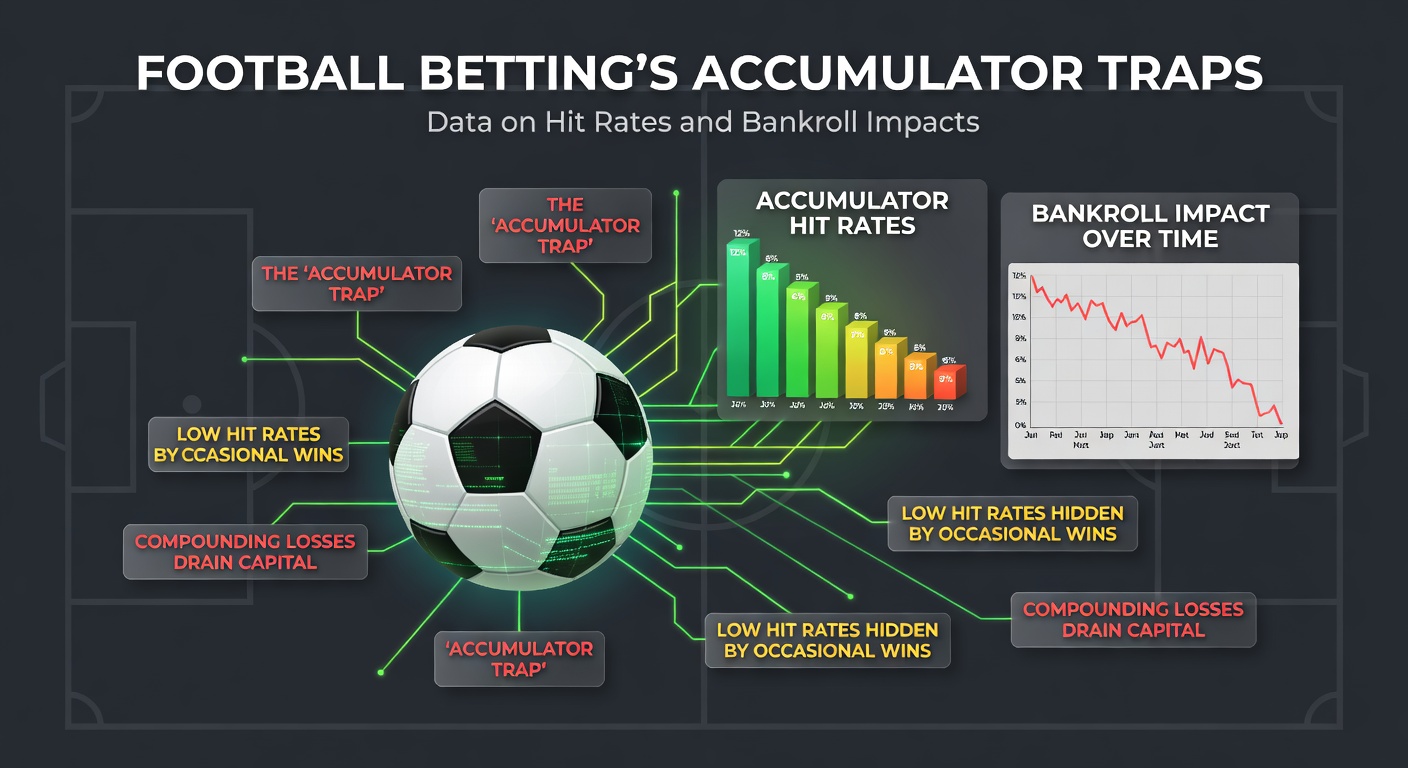
Turns out, Nationwide's January data captures the prelude, as customers front-load activity ahead of summer peaks; observers who've mapped past cycles see clear parallels, where transaction jumps of 7% signal prep for deeper dives into event-specific bets, from World Cup accumulators to Ascot each-ways.
So, with the calendar this loaded, the 9% value increase feels like a harbinger, especially since top-tier spenders at £745 monthly sustain the momentum; it's not rocket science that global eyes on the World Cup amplify UK participation, yet GamCare's 48-50% referral surge tempers the excitement with reality checks.
Patterns in the Numbers: What the Data Reveals
Diving deeper into Nationwide's metrics, the 9% year-on-year value rise translates to millions in additional flow through everyday accounts, while the 7% transaction count hints at more frequent, perhaps smaller bets stacking up; the top 10% at £745 average monthly—equivalent to about £25 daily—highlights skewness, where a minority shoulders the load amid broader upticks.
One study echoing this, via Censuswide's lens, shows 68% eyeing increases not in isolation but tied to events, and that's significant because it forecasts sustained pressure on payment systems and support lines alike; GamCare's January surge, hitting 48-50%, mirrors 2025's event-driven peaks but starts earlier, possibly due to digital betting's ease.
Experts parsing these streams note how March 2026 reporting windows expose January's full scope, allowing stakeholders to connect dots from spend to harm; for instance, the £745 figure, spotlighted in Nationwide's alerts, prompts calls to spot signs like chasing losses or emotional bets, aligning with GamCare's inbound volume.
And while the sports calendar drives the narrative, underlying tech—like app-based wagering—facilitates the 7% transaction growth, making access seamless yet potent; those who've analyzed similar datasets often find that early-year jumps predict mid-year explosions, setting the stage for 2026's high-water mark.
Conclusion: Trends Point to Intensified Focus Ahead
As March 2026 unfolds, Nationwide's data on the 9% spend rise, 7% transaction increase, and £745 top-10% average converges with Censuswide's 68% wager-boost plans and GamCare's 48-50% referral surge, framing a pivotal moment for UK gambling; major events like the World Cup and Champions League final loom large, fueling activity while underscoring support needs.
The reality is clear: participation edges up, but so does awareness, with figures revealing interconnected dynamics that stakeholders monitor closely; ahead lies a sports-packed year, where these early signals guide responses, from banking safeguards to helpline scaling.
Ultimately, the data tells a story of momentum building, balanced by mechanisms to mitigate risks, ensuring the 2026 calendar unfolds with eyes wide open.