UK Government Prepares Consultation to Restrict Unlicensed Gambling Sponsorships in Sports
Written by Felix Foster · Jul 14, 2026

UK Government Prepares Consultation to Restrict Unlicensed Gambling Sponsorships in Sports
The UK government will launch a consultation this week that targets unlicensed gambling operators and their ability to sponsor British sports teams, a step prompted by delays that permitted arrangements such as Everton FC's three-year sleeve sponsorship with Stake.com. That offshore crypto casino surrendered its UK licence last year yet maintained the visible partnership on club kits.
Officials aim to close gaps that have allowed entities without active UK authorisation to maintain high-profile visibility through sports marketing. The consultation will examine proposals to prevent such operators from entering or continuing sponsorship agreements with clubs across football and other sports.
Background to the Everton and Stake.com Arrangement
Everton FC entered the three-year sleeve sponsorship deal with Stake.com at a time when the operator still held UK regulatory approval, although the company later relinquished that licence. The arrangement placed the Stake.com branding prominently on matchday kits, exposing millions of viewers to the offshore brand during televised matches. Observers note that the timing of the licence surrender created an extended period during which an unlicensed operator retained sponsorship exposure without current UK oversight.
Gambling Commission Guidance and Club Warnings
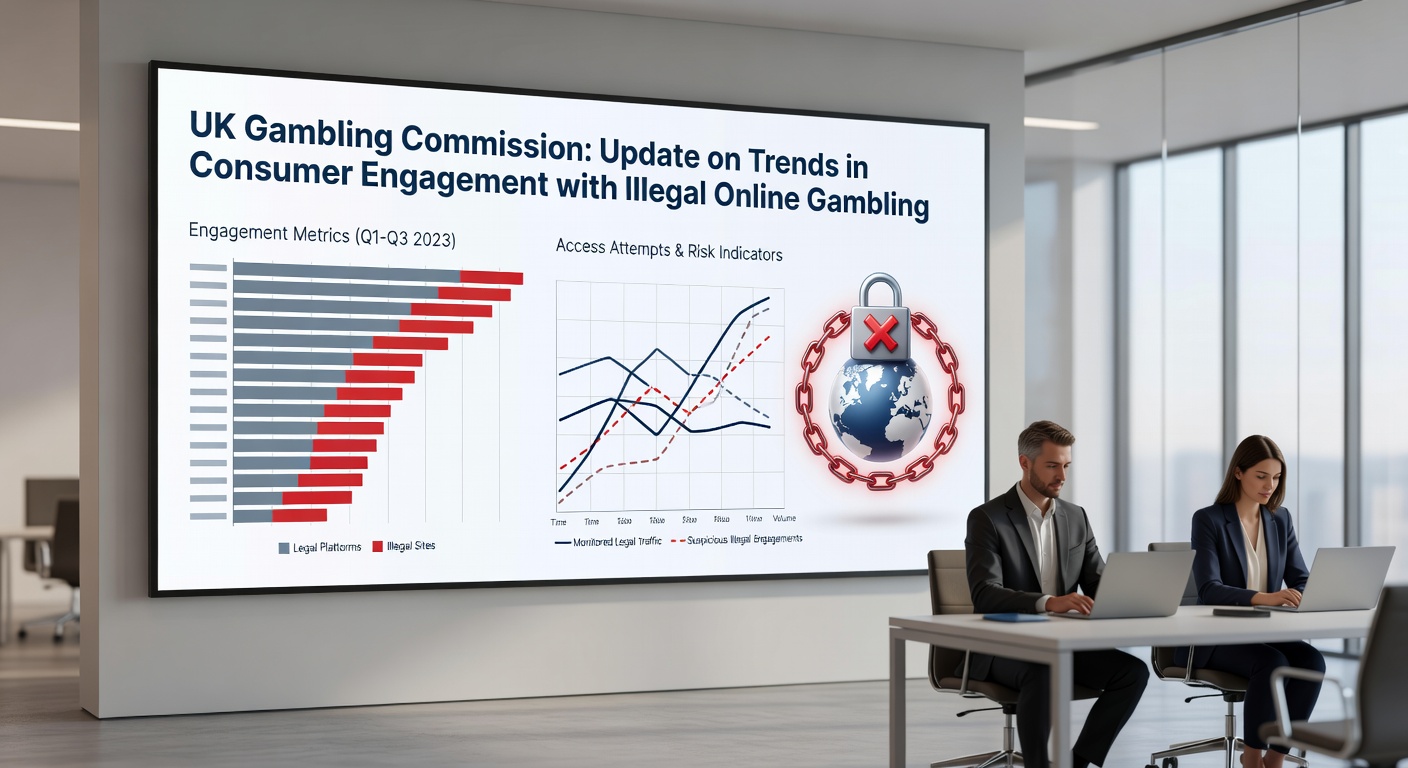
The Gambling Commission has issued repeated warnings to clubs about partnerships with unlicensed operators, directing attention to its Sports Sponsorship and Advertising guidance page. Those warnings emphasise that clubs should verify an operator's current licensing status before finalising any sponsorship contract. Data collected by the Commission shows that unlicensed operators fall outside the tax and consumer-protection frameworks that apply to licensed entities, creating uneven conditions for both consumers and compliant businesses.
Industry Figures Highlight Risks to Licensed Operators and Tax Revenue
Entain CEO Stella David has publicly drawn attention to the broader consequences of unlicensed sponsorships, pointing to potential effects on consumer safeguards, government tax receipts, and the competitive position of licensed operators. Her statements align with concerns already raised by the Gambling Commission and underscore how offshore brands can capture marketing value without contributing to the regulated market's compliance costs. Figures from industry monitoring indicate that such sponsorships can shift betting activity toward platforms that operate without UK player-protection standards.
Scope of the Upcoming Consultation
The consultation document, expected later this week in July 2026, will invite responses from clubs, leagues, operators, and other stakeholders on specific measures to bar unlicensed entities from sports sponsorship. Proposed options include mandatory licensing checks at contract stage, publication of approved sponsor lists, and penalties for clubs that proceed with unlicensed partners. The process will also consider how existing deals, such as the Everton arrangement, should be handled once new rules take effect.
Regulatory Timeline and Enforcement Considerations
Once the consultation closes, ministers will review submissions before deciding on legislative or regulatory changes. The Gambling Commission retains powers to issue further guidance and to investigate clubs that maintain relationships with unlicensed operators. Enforcement could involve fines, reputational measures, or restrictions on future commercial partnerships if clubs fail to comply with updated expectations.
Impact on Consumer Protection and Market Balance
Stakeholders have noted that unlicensed sponsorships can direct consumers toward platforms that lack the deposit limits, self-exclusion tools, and dispute-resolution mechanisms required under UK rules. Licensed operators argue that they bear higher compliance costs while competing for visibility against brands that operate outside those requirements. The consultation will examine whether restricting unlicensed sponsorships would help restore a more level commercial environment.
Conclusion
The forthcoming consultation represents a direct response to the regulatory gap illustrated by the Everton FC and Stake.com partnership. By inviting evidence from across the sports and gambling sectors, the government seeks to establish clearer boundaries that keep unlicensed operators from gaining sponsorship access to British teams. The outcome will determine how future deals are vetted and enforced, shaping the visibility of gambling brands within UK sport for years ahead.